







How Can A Quality Hospital Bed Prevent Or Reduce Bed Sores? Bed sores, sometimes called pressure ulcers, pressure sores, or decubitus ulcers, occur when the soft tissues are under pressure from sitting or lying in bed for a long time. They show up as open sores and they can develop on both external and internal surfaces. When a patient develops one, it’s a painful experience that can affect a patient’s mood, impact their recovery time, and even be a health hazard on its own.
One of the ways bedridden or immobile patients can prevent bed sores is by bringing in a high-quality electric hospital bed. How do they do it?
Learn About Hospital Beds That Prevent Bed Sores
What Factors Go Into Bed Sore Risk?
Bed sores most often form when the skin covering the bony parts of the body are under constant pressure. The most common surfaces for pressure ulcers include the heels, ankles, hips, tailbone, knees, shoulder blades, and the back of the head. Once the sores start developing, the skin around the affected area may initially look red, feel itchy, or even feel warm to the touch. Ultimately, they can spread deep into the underlying muscle and bone; the results can take anywhere from days to years to properly heal.
Many of the risk factors correlate with age (those 70 years and older are at greatest risk), smoking habits, dry skin, limited mobility preventing changes in position, mental status, incontinence, malnutrition, and any physical restraints that might be necessary. They can occur when someone is bedridden or otherwise immobile, but also on patients who are unconscious or unable to sense pain.
Another bed sore risk is friction injury. It’s a kind of rug burn when the top layer of skin separates from the dermis or bottom skin layer. One step further than a friction injury is skin shearing, which is the combination of pressure and friction that affects the outer and inner layers of skin. These pressure injuries can be incredibly painful and lead to other medical conditions.
Adjustable Features Help Quality Hospital Bed Prevent And Reduce Bed Sores
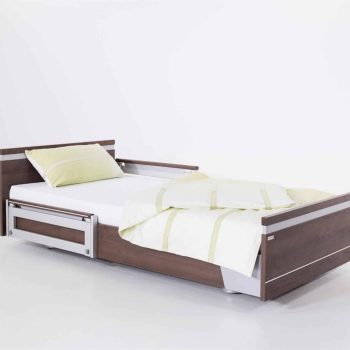
Hospital beds can help prevent bed sores by making it easy for the patient to turn over or for their caregiver to the job, relieving constant pressure on certain parts of the body. Health experts recommend that anyone bedridden should adjust their posture and position every two hours. This recommended repositioning is much easier to do in an electric care bed.
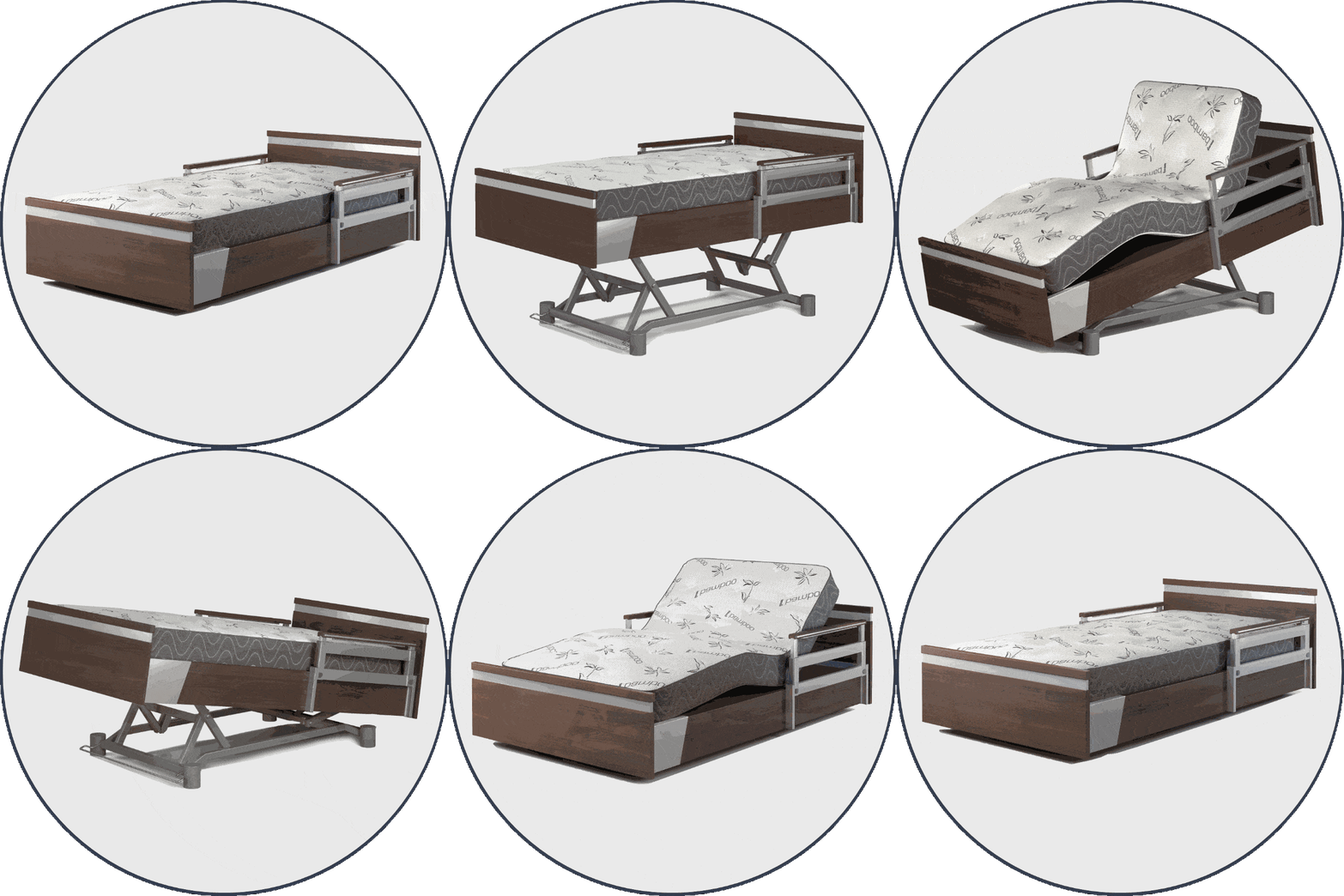
The raise-lower functions of a hospital bed allow the user or their caregiver to adjust the height of the entire bed, the upper body and the legs, making it easy to relieve the pressure and get help turning over. The comfort and support can alleviate not just bed sores but also back pain and sleep issues.
Pressure-Relieving Mattresses Are Key To Pressure Ulcer Prevention
Much of the prevention comes from the special mattresses that work with hospital beds. They are called pressure-relieving mattresses, and they are made with higher density foam to prevent sores from developing or getting worse. The best mattresses aren’t too soft – if the user sinks into it, they’ll find it harder to change positions. It’s especially problematic for weaker patients who would otherwise be able to move in the bed without any help.
Hospital bed mattresses distribute pressure over a larger area, reducing the amount of pressureon vulnerable body parts. Research shows that people who used these types of mattresses were less likely to develop bed sores than people lying on standard foam mattresses found in many homes and hospitals.
Other Ways To Prevent Bed Sores
On top of using an electric hospital bed, a necessary part of pressure ulcer prevention is diet. Some people with mobility difficulties don’t often feel thirsty or hungry, but staying in good physical condition means getting enough to eat and drink. Eating too little, not getting enough water, and generally having an unbalanced diet can weaken the skin. The body must get enough calories, minerals, fluids and proteins it will need to heal.
Skincare is another essential element in preventative care. It’s even more necessary for seniors, as the skin thins with age and can be weak, causing sores to develop. Patients and caregivers must find the right balance: keeping skin from drying but not getting too much moisture. Either extreme can make damage to the skin more likely.
If bed sores do form and require wound care, keep the skin clean and have it examined and treated by an expert. Healthcare workers will base their treatment of pressure ulcers on the severity of the condition and the underlying causes. They can perform the necessary care for the situation and offer recommendations for the patient’s specific needs.
Frequently Asked Questions Bed Sores In Hospital Beds
How often should bed bound patients be repositioned?
Always consult your doctor or care provider first. If you are confined to your bed, you should switch positions at least every 2 hours. If you are confined to a chair, you should adjust yourself at least each hour, preferably every 15 minutes.
Why do bedridden patients need to be turned frequently?
Turning is the process of rotating a hospital patient or a bedridden nursing care patient in order to alleviate weight on one region of the body. Shifting can help to restore normal blood flow to a region, keeping skin tissues fresh and alive and successfully reducing bed sores.
order hospital beds, premium hospital beds, luxury hopsital beds, wide hospital beds