








Caregiver Checklist: Personal Care Duties and Tasks. Many people find themselves taking on an unplanned caregiving role as their loved ones age. Tending to the health and well-being of someone who needs help with daily tasks and activities due to an injury, illness, limited mobility, memory issues, or chronic conditions that make everyday chores more challenging. While everyone’s needs are unique, a checklist can help ensure the caregiving family member does everything necessary to ensure the safety and well-being of their loved one.
Learn About Keeping Track Of Care Duties and Regular Tasks
Assess Medical Needs: Stay Organized With A Checklist
One of the most essential roles a caregiver has is assessing the medical needs of their care recipient. They may need to:
- Administer medications properly (correct dosage and time)
- Keep track of the medication list
- Understand drug interactions
- Manage the symptoms of chronic conditions
- Help assess pain levels
- Schedule medical appointments
- Ensure the care recipient gets enough physical activity
It’s a good idea to discuss your loved one’s health with their primary physician and other health professionals they may consult. Depending on their condition, they may need mobility equipment and accessibility furniture like hospital beds.
Meal Preparation & Eating Tracking With Care List
Food preparation can become increasingly difficult with age. If your family member or loved one is in their home by themselves, they may not have the energy, motivation, or knowledge to cook. Memory issues, lost grip, and balance issues can even make cooking unsafe. As a caregiver, you can help:
- Understand their dietary needs
- Shopping for groceries
- Preparing meals
- Doing dishes and kitchen cleanup
For instance, many seniors require a diet full of fiber-rich foods like whole grains, bran cereal, fruits, and vegetables. These foods may prevent constipation. If they are used to a low-fiber diet, add fiber slowly.
Verify Personal Grooming Using A Checklist
Caregivers must make sure it’s easy for seniors or those with healthcare issues to care for themselves as much as possible. These care tasks can include:
- Having the preferred soap, towels, shampoo, and other toiletries ready
- Bathing on a set schedule
- Brushing and flossing teeth
- Checking dentures regularly for damage and fittings
- Taking them to a hair salon
Try an electric toothbrush if their hands or fingers are stiff from a condition such as Parkinson’s disease. If you help with flossing or brushing, try not to touch the back of their tongue to prevent their gagging.
For safety and comfort, use the shower and a seat whenever possible; getting into and out of baths can create a falling hazard. While they bathe, have them sit on a shower stool, use a hand-held showerhead, and hold a grab bar.
Getting Dressed and Personal Presentation Checklist
Caregivers can help seniors and patients get dressed, but they should let their care recipient take control as much as possible. Many seniors find putting on their clothes to be a matter of dignity. Caregivers can still do small things to help, including:
- Laying clothes out ahead of time in the order they like to put them on.
- Making sure they have clothes they like that are easy to put on (pants with elastic waistbands, Velcro fasteners instead of buttons, bras that hook in front, and tube socks instead of dress socks)
- Suggesting that they sit down to dress
- Offering dressing aids like buttonhooks or long-handled shoe horns
- Use an adjustable height hospital bed with side rails to help stabilize the patient in a seated or standing position
Housekeeping and Chores Tracking Checklist
Housekeeping may be something with which a caregiver can help. As your loved one ages, they will find it hard to maintain their home by themselves. Older adults may need help:
- Dusting, vacuuming, and washing floors and windows
- Taking out the garbage and recycling
- Washing clothes and linens
- Changing bedding
If your loved one lives in their house, yard work, snow shoveling, and maintenance may be too much for them and their caregiver to handle. If you and your loved one agree that aging in place is the preferred option, consider hiring an outside service for these tasks.
How Can I Ensure Caregiving Is Smooth?
Caregiving isn’t always easy, especially if you’re unprepared. Setting up routines for daily activities can be helpful for both the caregiver and the person for whom they are caring. A care plan can determine how many hours of work per day your loved one requires, how you can help ensure their health and safety, and how many people can pitch in. Spread the caregiving responsibilities among family and friends who are willing to help; not only does this lighten the load, but it lets your loved ones be more social.
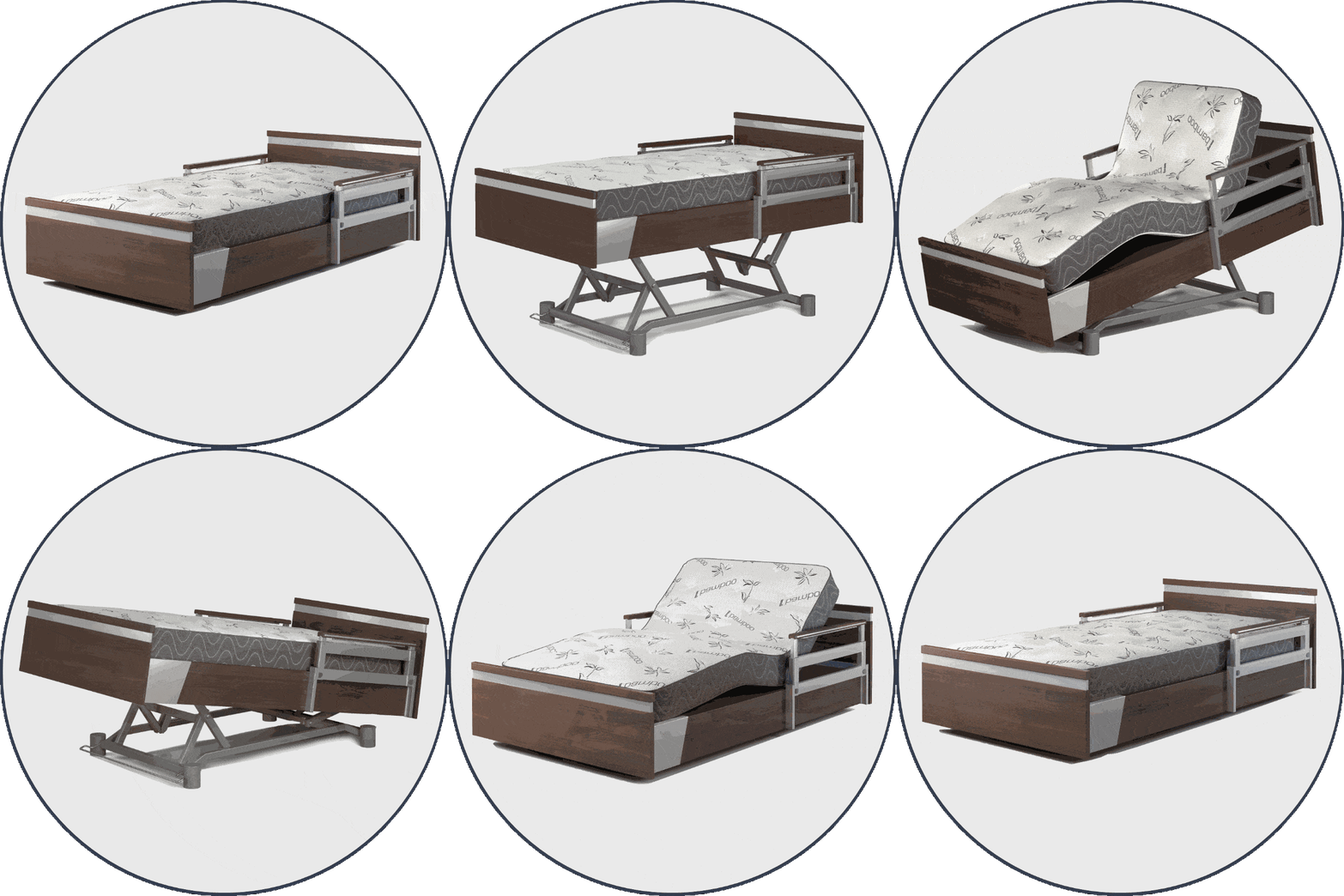
Administering care is much easier when your loved one can rest and relax in an adjustable homecare bed, and the SonderCare line of hospital beds can help. It not only conforms to the latest international standards but also provides a greater sense of safety, comfort, and independence than standard flat or adjustable beds. It allows them to sit up for meals, grooming, and essential parts of their care routine.
Frequently Asked Questions About Caregiver Duties Planning
As a caregiver, what are your duties?
As part of a senior caregiver’s tasks, he or she may clean, shop for groceries, cook, manage medications, and attend medical appointments. Caregivers must, however, take into account their patient’s health and requirements.
What are the skills a caregiver should possess?
A communication system. There is no one most important skill when caring for someone, but communication is a good candidate. Positive attitudes are also important. Patience is another virtue – especially for caregivers. Another key part of the job is quick problem-solving and empathy for others.